Parenting Kids Ages 6–10 in 2026–2027: Love, Limits, and Real Life

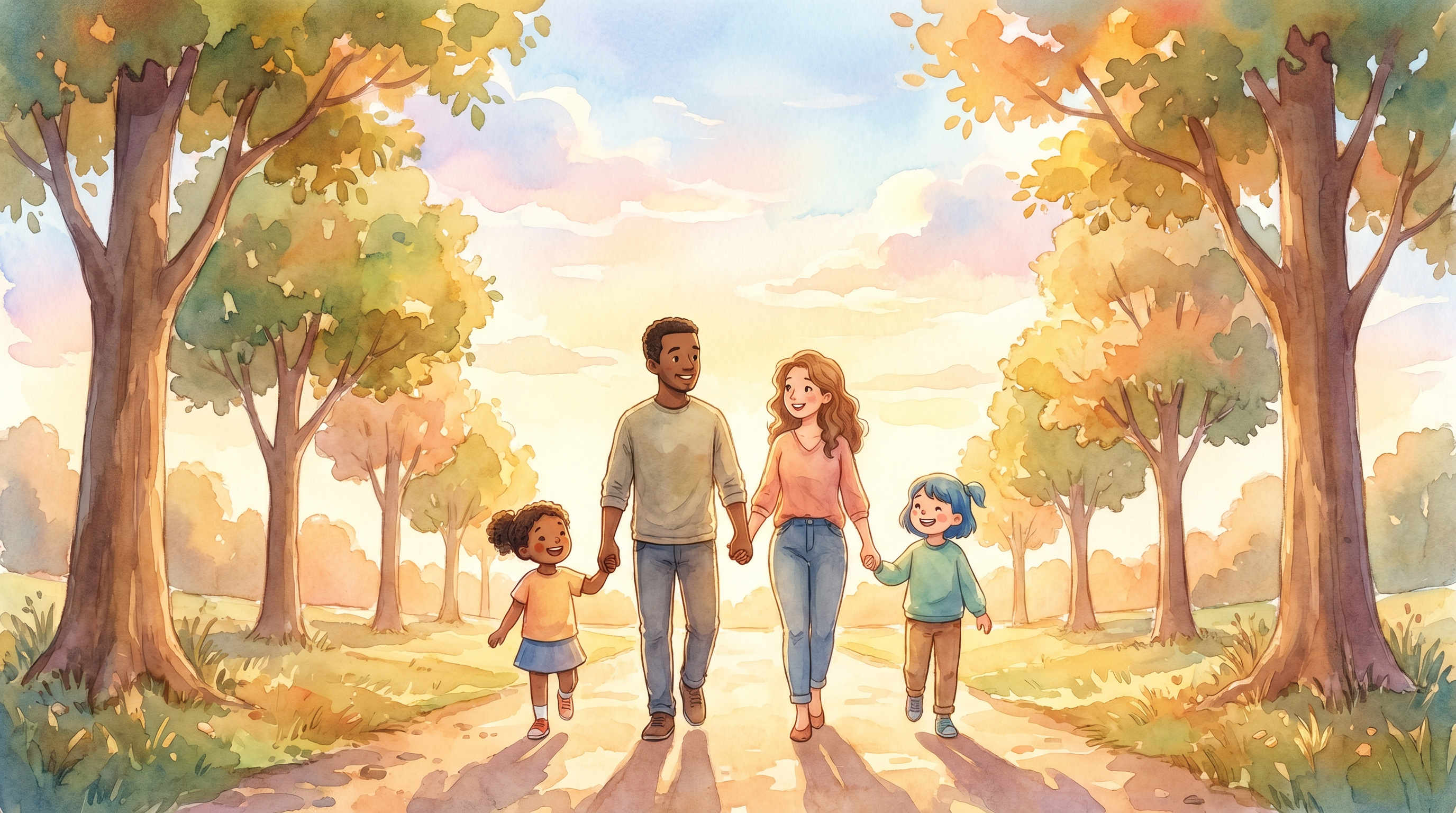
Parenting children between 6 and 10 can feel like standing in the middle of two worlds. They are not babies anymore. They can think, question, argue, joke, remember, and surprise you. But they are also still young. They still need hugs, routines, comfort, reminders, and help making sense of big feelings.
In 2026 and 2027, parenting can feel even louder. Kids are growing up with screens, school pressure, fast information, and busy family schedules. Parents are trying to raise kind, strong, respectful children while also keeping up with work, bills, homework, meals, and daily life. That is a lot.
Children still need the same core things
They need love. They need safety. They need guidance. They need adults who are steady, even when life is not.
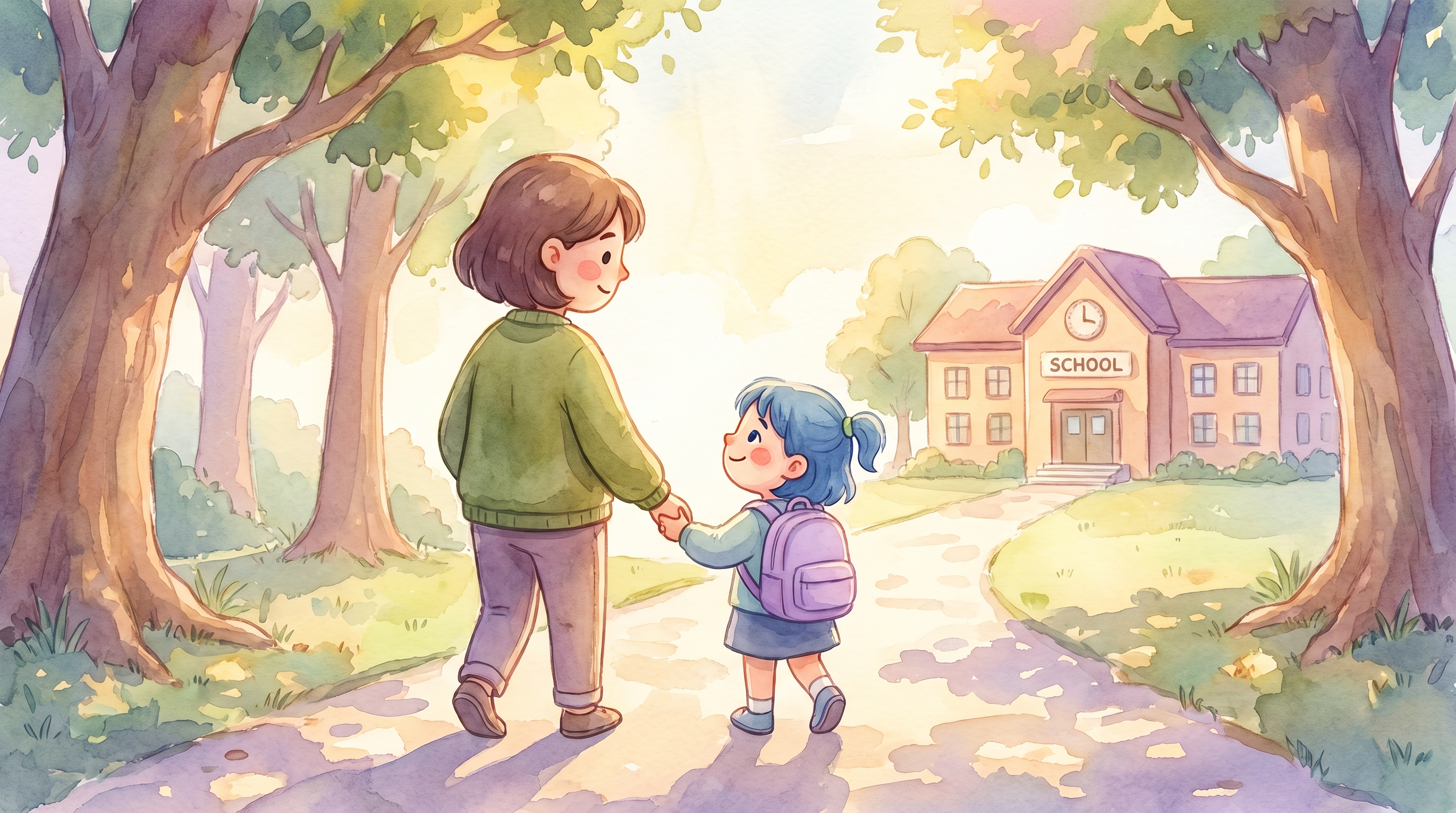
Children Need Connection Before Correction
When a child is acting out, it is easy to jump straight to discipline. Sometimes that is needed. But many times, a child first needs to feel seen.
A simple sentence can help: “I see you’re upset. I’m here. We still have to be respectful.” This lets the child know two things at once: their feelings matter, and the limit still stands.
Routines Help Children Feel Safe
Children ages 6–10 often do better when they know what to expect. A simple routine can make mornings, homework, bedtime, and chores feel less like a battle. You do not need a perfect schedule. A few steady habits can help lower stress.
Discipline Should Teach, Not Break
Discipline works best when it helps a child learn. The goal is not to scare them. The goal is to help them understand what happened, why it matters, and what they can do next time. Instead of only saying, “You’re in trouble,” try:
- “What happened?”
- “What were you feeling?”
- “What can we do to fix this?”
- “What should we try next time?”
Parents Need Grace Too
No parent gets it right every day. You may raise your voice. You may feel tired. You may miss a moment. You may wish you handled something better. That does not mean you failed. Repair matters.
You can say: “I’m sorry I yelled. I was frustrated, but I should have spoken more calmly.” That teaches your child something powerful. It shows them that love includes honesty.