Supporting Every Child's Needs With Patience, Love, and Respect

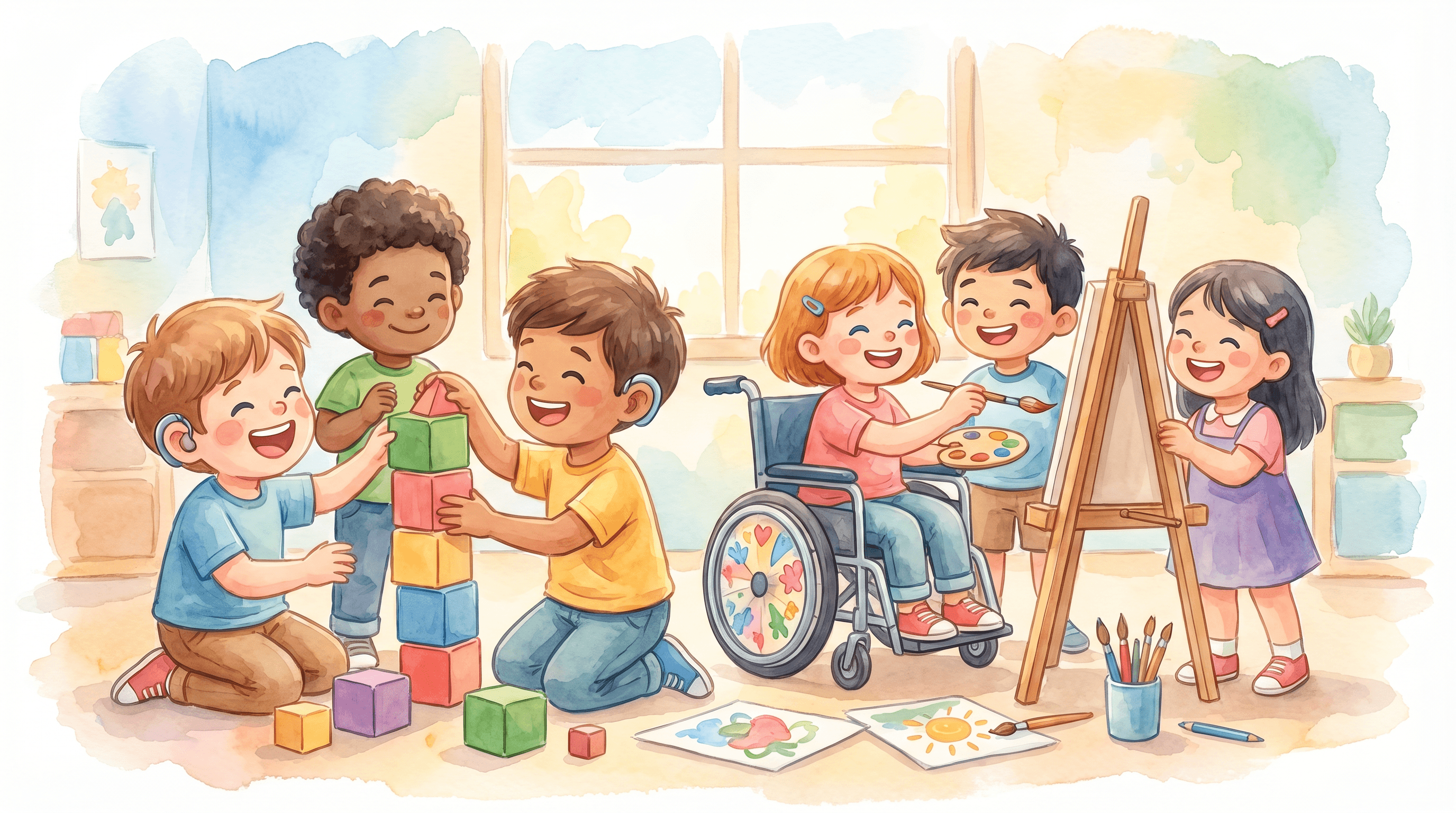
For children ages 6–10, the world can feel exciting and big. For some children, including children on the autism spectrum, everyday moments may need extra care, patience, and understanding.
The goal is not to “fix” a child.
The goal is to understand them, support them, and help them feel safe enough to grow.
Look Beneath the Behavior
When a child refuses, cries, runs away, shuts down, argues, or melts down, it can look like disrespect.
Sometimes it is.
But sometimes it is stress.
A child may be tired, hungry, confused, overstimulated, scared, or unable to explain what they need.
Before reacting, pause and ask:
“What might be going on underneath this?”
That question can change the whole moment.
Routine Can Be a Gift
Many children feel calmer when they know what is coming next.
A simple visual routine can help:
Wake up.
Brush teeth.
Get dressed.
Eat breakfast.
Pack bag.
Leave for school.
For bedtime:
Bath.
Pajamas.
Brush teeth.
Story.
Prayer or quiet talk.
Sleep.
A routine does not need to be fancy. It just needs to be clear.
For some children, sudden changes can feel very hard. When possible, give a warning before transitions:
“In five minutes, we’re turning off the tablet.”
“After this game, it’s time to get ready.”
“We are going to the store, then coming home.”
Small warnings can prevent big stress.
Respect Sensory Needs
Some children are more sensitive to sound, light, clothing, food texture, smells, or touch.
A shirt tag may feel unbearable.
A loud room may feel painful.
A crowded party may feel too much.
A food smell may make eating hard.
This does not mean the child is being difficult on purpose.
Their body may be taking in the world differently.
Helpful support may look like:
Noise-reducing headphones.
Soft clothes.
A quiet break space.
Extra time before entering busy places.
Simple food choices without pressure or shame.
These supports are not spoiling. They are tools.
Use Clear, Kind Language
Some children do best with simple, direct words.
Instead of saying, “Can you stop acting like that?” try:
“Feet on the floor.”
“Use a calm voice.”
“Hands to yourself.”
“First shoes, then outside.”
Clear words help children understand what to do next.
Kindness helps them feel safe while doing it.
Celebrate Progress, Not Perfection
Growth may look different for each child.
For one child, progress may be sitting through dinner.
For another, it may be trying a new food.
For another, it may be using words instead of yelling.
For another, it may be asking for a break before becoming overwhelmed.
Notice those moments.
Say:
“You handled that better than last time.”
“I saw you try.”
“You asked for help. That was a good choice.”
“You took a break instead of yelling. That matters.”
Children grow when they feel encouraged, not compared.
Support Siblings Too
If one child needs extra care, siblings may sometimes feel confused or left out.
It helps to explain in simple, loving ways:
“Everyone in this family gets what they need. That does not always look the same.”
Also make time for each child when possible. Even a few minutes of one-on-one attention can help siblings feel valued.
Love the Child in Front of You
Parenting works best when we stop trying to force every child into the same shape.
Some children need more quiet.
Some need more movement.
Some need more reminders.
Some need more space.
Some need more hugs.
Some need fewer words.
The heart of parenting is learning the child in front of you.
Not the child others expect.
Not the child from a book.
Not the child you imagined.
The real child.
The one who needs your patience, your boundaries, your protection, your laughter, and your love.
Every child deserves to feel understood.
Every child deserves to feel safe.
Every child deserves to know they are not too much.
And every parent deserves grace while learning how to love their child well.